Every season, every sport, every year there are millions of sports fans cheering in stadiums and living rooms around this country and around the world, yet very few people acknowledge or even praise those behind-the-scenes workaholics within the public relations profession. So, is public relations a necessary aspect in the sports industry? I believe that it is, and this has been particularly noticeable during these last few years

One of the principal roles of public relations within the sports industry is to promote a positive image. Whether this is a sports team itself, a particular league, a coach, an athlete or sponsor, every part of the sports industry relies profoundly on its image and how the public audience and their fans see and interpret it. Therefore, to generate successful marketing strategies and product education, representatives of public relations must be continuously aware of their surroundings.



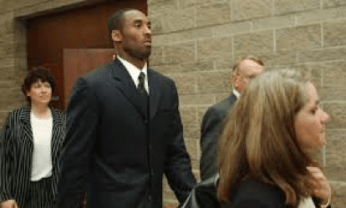
Some detailed examples of the public relations’ importance to the sports community include instances like those with former NFL quarterback Michael Vick or former Los Angeles Lakers player Kobe Bryant. Both of these athletes demonstrated irresponsible behaviors which proved the necessity of public relations in the sports world. The bottom line is that without it, both of these athletes’ careers would have been endangered even more than it already was, and the public’s respect and support of their respective teams would have been in danger, as well. It is imperative that public relations representatives are skilled to handle situations like these especially in this world of media frenzy that we live in today.
I believe it is a public relations representative’s role during these crises to not only support the athletes, but also to ensure a positive image of the team and organization is also depicted. By doing this, it helps guard against those fans that are developing a negative perception of the athlete or team. Today, sports teams have constructed very explicit brand images for their organizations solely so that they can continue to stay on good terms with their fanbase.
As a professional and in many cases now even college and amateur athletes, their private life is literally public interest. That’s how society is with tabloids and media.
Additionally, I feel that public relations is also critical to the sports industry when an athlete is making a career move. Numerous athletes and coaches favor dealing with trading and retirements in private rather than avoid losing a fan base and to maintain that positive personal image. By negotiating matters privately or through specific agencies, athletes and coaches alike can avoid dealing with the media as much as possible. Many choose to take this route.
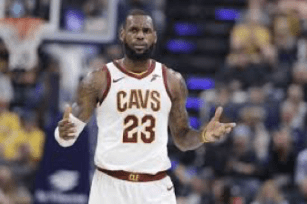
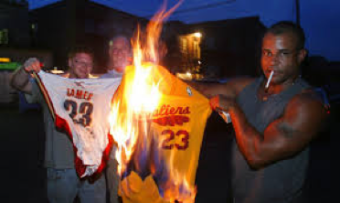
As we’ve all witnessed however, trades and retirements conducted in full view of the public can be both detrimental to a player and or a team image. Remember when LeBron James was traded from the Cleveland Cavaliers to the Miami Heat, he kept his fan base, the general public and the media on the edge of their seats for a long-drawn-out amount of time. Even more, because of the way he approached his trade, James departed his hometown of Cleveland on very bad terms. Fans were outraged and took to social media as well as the streets to voice their displeasure.

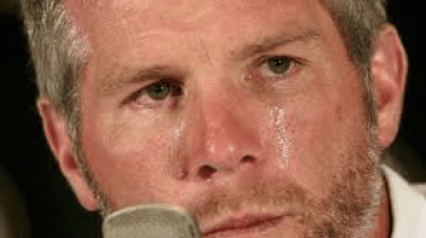
In a very comparable way, many sports fans have mixed feelings about the former NFL Hall of Famer Brett Favre and his short stay with the Minnesota Vikings. Many around the country felt that he demonstrated very indecisive mannerisms about his retirement during his last couple of seasons. There was even an interview held between USA Today and Brett Favre discussing how he believed that the media had unfairly caused unnecessary drama about his retirement date. In that interview, Favre explained that he would not intentionally prolong his decision for further attention and that his decision to return for a 20th season was largely based on his health. This was an important interview and a critical public relations release for this highly successful and beloved athlete.
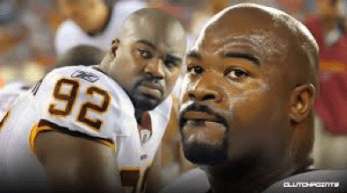

While there are countless players that strive for the added attention, a few teams are willing to take public relations hits as long as they sense that the player can still perform. A great example of this was former NFL Redskins Albert Haynesworth. He had caused numerous problems with the team and violated several of the league’s standards. Nonetheless, because the Redskins had such a huge investment in him, public relations representatives realized that they were to continue to promote the athlete. Unless the team could gain value with a trade to benefit the organization, Haynesworth would likely remain a Redskin because of his ability to perform. Eventually, he would be traded and problems continued to follow him.
The unfortunate thing is that teams will put up with a lot if they think the player will help them win. This is true for both professional and college teams as well and we see this unfold every season with a variety of teams, schools, athletes and coaches.
As we have seen, when a crisis or controversy happens, it is imperative that athletes and teams are provided the opportunity to convey their own messages through effective communication. This is where the public relations play a vital role. A public relations representative communicates directly with the public and possesses the ability to deliver official comments and statements when teams or their athletes are in trouble or dealing with a crisis. PR personnel can approach the media themselves or prepare the coach or athlete with an appropriate statement in a timely manner. It is critical to control any damage and address the public as quickly as possible immediately following any type of crisis.
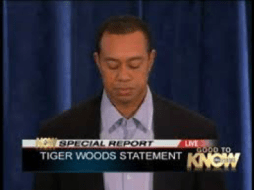

One example of this not occurring in a timely manner was with the Tiger Woods incident a few years ago. It is still not quite clear whether the delayed response from Tiger Woods was the fault of his International Management Group, his sports agency or Woods’ decision alone, but one thing for sure, the delayed response hurt Tiger Woods’ image for a long time. A quicker and more clear response addressing the public could have possibly helped this situation. When the issue was finally addressed several weeks into the scandal, Tiger Woods released his own apology statement but refused to take any questions. Again, by not initially being upfront and honest with the public in a timely manner, he gave the media and the public plenty of time to make their own accusations about his cheating scandal.
As long as we’ve had sports and reported on our athletes, fans have had a morbid curiosity about each and every detail of their lives. So as much as these athletes would like to separate their professional and public life, they need to realize that it simply comes with the territory. It’s simple. Effective communication to the public, media and other organizations is absolutely essential. Lastly, I’ll wrap this up with one final example, PR professionals frequently use press releases to promote upcoming games, events, fundraisers or any breaking news. Press releases are a direct way that the public and media are both notified of events and the details concerning it.
Public relations representatives take both the risks and responsibilities of working within sports organizations. As a result of their dedicated and detailed work, public relations, I believe, remains essential to the sports industry, contributing to the success of not only the athletes themselves, but their teams and coaches.
If you’re interested in a fantastic illustration of an issue that those within the sports public relations arena were forced to deal with recently, then take a look at the following link. How well do you think they did their job? Anyone feel that public relations isn’t necessary in sports?


 .
. 


 .
. 
 .
. 


 So, do you still have questions about what the global rise of wireless communication has really done for you?


 rasaggie blog